About
Based on funding from various agencies, the Black Males in Engineering research project aims to explore how Black males experience science, technology, engineering, and mathematics (STEM) pathways from early childhood through graduate education. The BME videos and handouts derive from the largest collection of qualitative data on Black males in engineering graduate programs, and contribute to the knowledge base related to understanding how Black males develop their perceptions of what it means to be an engineer (i.e., develop an engineering identity), broadening their participation in educational and workforce pathways.
The videos and corresponding interactive handouts on this website were created with the main findings from this research project. For more information about the research, please see the Resources page.
Project Team
Video & Design
- Source Ten (Videography and Production)
- School of Education Research Communications team (Design)
Award
2025 Telly Award: Silver Award-Winner – Campaign / Education & Training
News
- 10 Years Later: Dr. Brian Burt’s Mission to Transform STEM Pathways for Black Males
Big Ten Academic Alliance, December 2024 - Why The Black Males In Engineering (BME) Project Is Powerful
Forbes, October 2024 - The Genesis of a Research Agenda on Black Males in Engineering
Diverse Issues in Higher Education, September 2024 - Advancing Black Males in STEM is My Passion – Here’s How I Got There
Diverse Issues in Higher Education, September 2024 - UW–Madison’s Burt launches Black Males in Engineering project aimed at combating shortage of Black men in STEM
School of Education News, September 2024
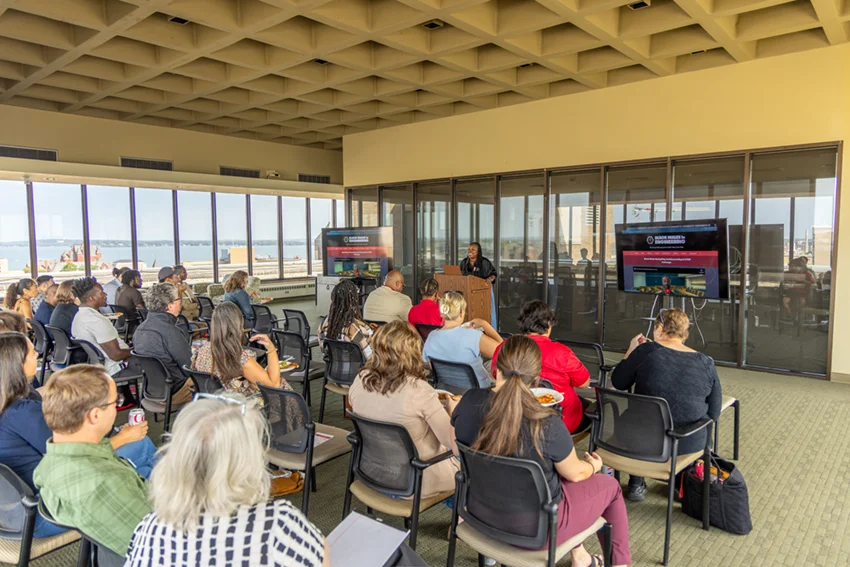
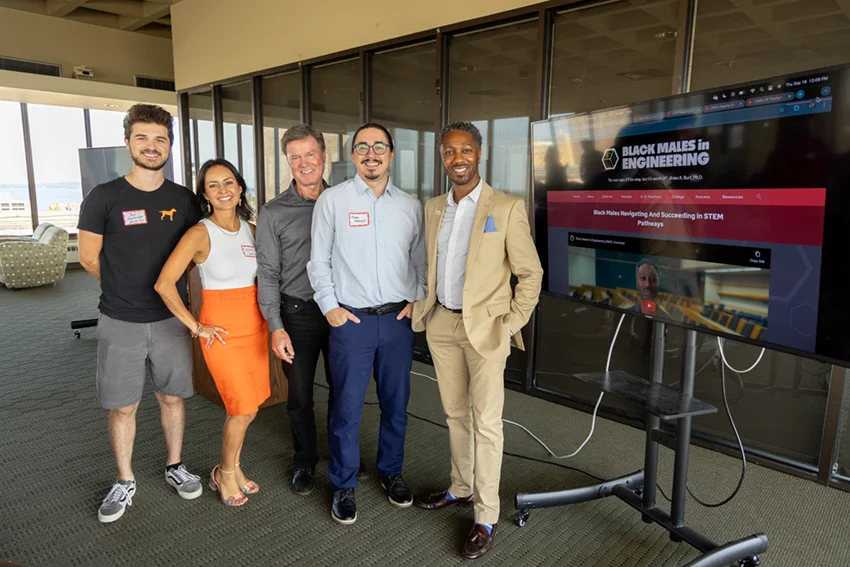
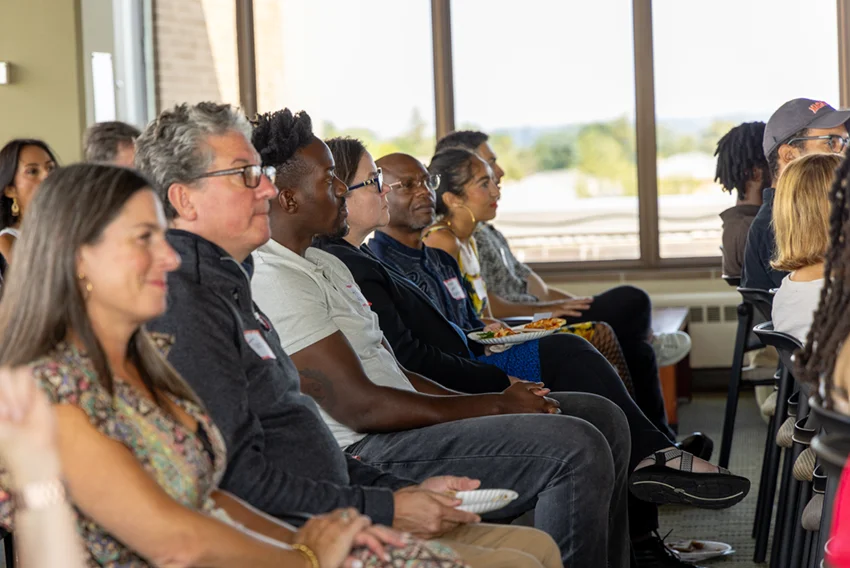
Launch Event
Special Thanks
Funders



Join in the conversation via social media (#BlackMalesinEngineering) to share what you learn from this website, and share your own stories and techniques you have found that work toward Black male success in STEM.
This material is based upon work supported by the National Science Foundation under Award No. 2016440. Any opinions, findings, conclusions or recommendations expressed in this material are those of the author(s) and do not necessarily reflect the views of the National Science Foundation.